Introduction
Takrut (ตะกรุด) is one of the most distinctive and enduring forms of Thai sacred amulets. Unlike many Thai amulets that feature an image of the Buddha, a revered monk, or a sacred figure, Takrut commonly takes the form of a rolled or folded sacred inscription contained within metal, cloth, parchment-like material, or other traditional substances.
Takrut has a long history within Thai spiritual and Buddhist culture. Different forms have been created by monks, Buddhist masters, and practitioners using sacred inscriptions, geometric diagrams, protective formulas, Buddhist mantras, and other traditional symbols.
Depending on the tradition, Takrut may be carried in a pouch, worn around the neck, attached to clothing, kept in a personal space, or incorporated into other sacred objects.
For devotees, Takrut can represent faith, protection, spiritual discipline, and the blessings of a respected Buddhist teacher. For collectors, Takrut offers an opportunity to explore Thai religious heritage, sacred writing, traditional craftsmanship, and the history of individual temples and monks.
What Is Takrut?
The Thai word Takrut refers to a sacred object generally associated with a rolled or folded inscription.
A traditional Takrut may contain sacred writing, Buddhist formulas, protective inscriptions, yantra designs, or other ritual elements.
The inscription may be written, engraved, etched, stamped, or prepared according to the particular tradition of the monk or temple.
The completed object is often rolled into a cylindrical form and enclosed or bound so that the sacred inscription is protected.
This makes Takrut fundamentally different in appearance from many popular Thai amulets such as Phra Somdej or Phra Pidta.
The History of Takrut in Thailand
Takrut belongs to a wider Southeast Asian tradition of sacred inscriptions, protective formulas, yantra designs, and religious objects.
In Thailand, these traditions developed through the interaction of Buddhist practice, local customs, sacred writing, meditation traditions, and regional beliefs.
Over generations, different Buddhist monks and temples developed their own approaches to preparing sacred objects.
As a result, there is no single universal Takrut design or manufacturing method.
The appearance, materials, inscriptions, size, and ritual traditions can vary considerably depending on the issuing monk, temple, region, historical period, and intended devotional purpose.
Takrut and Thai Buddhist Tradition
Takrut is often encountered within the broader world of Thai Buddhist devotional culture.
The sacred inscriptions used in Takrut may draw upon Buddhist scriptures, Pali language, Khom script, yantra diagrams, sacred syllables, or traditional protective formulas.
The use of sacred writing reflects the importance of words, knowledge, discipline, and spiritual practice within traditional Thai religious culture.
However, individual Takrut traditions should be studied according to their specific historical and religious context rather than assuming that every Takrut follows the same formula.
Materials Used to Make Takrut
Traditional Takrut can be made from a variety of materials.
Collectors may encounter examples made using:
- Lead
- Aluminium
- Copper
- Bronze
- Silver
- Gold
- Other metal alloys
- Cloth
- Paper or manuscript-like materials
- Other traditional sacred materials
The choice of material may depend on the temple, monk, historical period, ritual tradition, intended use, and availability of materials.
Some Takrut are enclosed within protective coverings, while others may remain partially visible so that collectors can see elements of the original construction.
Takrut Inscriptions and Sacred Writing
One of the most fascinating aspects of Takrut is its inscription.
Depending on the tradition, the surface may contain:
- Mantras
- Buddhist prayers
- Pali words
- Khom script
- Yantra diagrams
- Sacred letters
- Numerical patterns
- Geometric designs
- Protective formulas
Some inscriptions are extremely difficult for modern collectors to interpret. This is one reason why the study of Takrut often requires knowledge of Thai religious history, traditional scripts, and the specific practices of the issuing monk.
What Is Khom Script?
Khom script is frequently encountered in the study of traditional Thai sacred inscriptions.
The script has historical connections with Khmer writing traditions and has been used in religious and scholarly contexts in Thailand and neighbouring regions.
Because of its historical association with sacred texts and religious knowledge, Khom became important within certain Thai Buddhist traditions.
Collectors should remember that the presence of Khom-like writing alone does not prove that a Takrut is old, genuine, or associated with a particular monk.
Takrut and Yantra
Many Takrut traditions are associated with yantra, sacred diagrams consisting of letters, numbers, geometric forms, or symbolic arrangements.
Yantra designs can vary substantially between traditions.
A monk may use a particular diagram or formula according to a lineage, temple tradition, ritual purpose, or personal practice.
For collectors, identifying the correct yantra can therefore be an important part of understanding a particular Takrut.
Traditional Beliefs About Takrut
Different Takrut traditions are associated with different devotional beliefs.
Traditional associations may include:
- Protection from danger
- Safe travel
- Confidence and courage
- Metta or goodwill
- Charm and personal attraction
- Business success
- Good fortune
- Spiritual strength
- Peace of mind
These beliefs vary according to the specific Takrut, issuing monk, temple, lineage, and traditional purpose.
They should be understood as part of Thai religious and cultural traditions, rather than as scientifically established guarantees of protection, wealth, health, or success.
Takrut for Protection
Protection is one of the most commonly encountered traditional associations with Takrut.
Devotees may carry a Takrut as a symbolic expression of faith and as a reminder of the teachings and blessings associated with a respected monk.
Some traditional forms are specifically associated with protection from danger, while others have different devotional purposes.
The exact meaning should therefore be determined from the history of the particular Takrut rather than assumed from its appearance alone.
Takrut and Safe Travel
Certain Takrut traditions are particularly associated with safe journeys and protection while travelling.
This has contributed to the popularity of Takrut among people who drive, travel frequently, or work in occupations that require regular movement.
As with other sacred amulets, the traditional belief provides spiritual reassurance but should never replace practical safety measures.
Takrut and Metta Maha Niyom
Some Takrut traditions are associated with Metta Maha Niyom, a traditional concept involving goodwill, popularity, kindness, and positive relationships.
In this context, the purpose is not simply physical protection. The sacred object may be regarded as a spiritual reminder to cultivate kindness, confidence, respect, and harmonious relationships.
Different monks may use different sacred formulas or yantra traditions for this purpose.
Types of Takrut
There are many types of Takrut, and classifications can differ among collectors and practitioners.
Metal Takrut
Metal Takrut are among the most recognizable forms. Copper, bronze, lead, silver, and other metals may be used depending on the edition and tradition.
Takrut with Sacred Inscriptions
Some examples contain carefully prepared inscriptions or sacred formulas rolled within the metal sheet.
Yantra Takrut
These incorporate yantra diagrams or sacred geometric arrangements into the inscription.
Cloth Takrut
Some traditional forms are made using cloth or fabric containing sacred writing or designs.
Specialized Takrut
Certain monks became associated with particular Takrut forms, materials, inscriptions, or ritual traditions. These can become important areas of specialization for collectors.
Famous Monks Associated With Takrut
Takrut is closely connected with the history of many Thai Buddhist masters. Different monks became respected for their particular knowledge of sacred inscriptions, yantra, meditation, and consecration practices.
Collectors interested in Takrut may also wish to explore the biographies of famous Thai Buddhist monks, including:
Takrut and Luang Pu Suk
Luang Pu Suk of Wat Pak Khlong Makham Thao is an important name for collectors interested in traditional Thai sacred objects and protective inscriptions.
His reputation for meditation, sacred knowledge, yantra, and traditional amulet practices has contributed to continuing interest in objects associated with his lineage and temple tradition.
How Takrut Is Traditionally Prepared
Traditional Takrut preparation can involve several stages, depending on the monk and lineage.
A simplified overview may include:
- Selection of the appropriate material.
- Preparation of sacred inscriptions or yantra.
- Writing, engraving, or otherwise applying the sacred formula.
- Rolling or folding the material.
- Binding or enclosing the sacred inscription.
- Ritual consecration or blessing.
- Distribution to devotees or temple supporters.
The actual ritual process can be considerably more complex and should not be assumed to be identical for every Takrut.
Consecration and Blessing
In Thai Buddhist amulet culture, consecration is an important part of the meaning of many sacred objects.
A Takrut may be blessed during a temple ceremony or according to the individual practice of the issuing monk.
Collectors should distinguish between the physical object and the religious tradition surrounding its consecration.
For devotees, the blessing ceremony can be as significant as the physical materials used to create the Takrut.
How to Collect Takrut
Takrut can be an especially interesting collecting category because every example may have a story connected with its monk, temple, material, script, and historical period.
Beginners should start by studying rather than purchasing immediately.
- Learn the history of Takrut.
- Study individual monks and temples.
- Learn common materials and construction methods.
- Study sacred scripts and yantra designs.
- Compare recognized examples.
- Research the claimed production period.
- Ask about provenance.
- Consult knowledgeable specialists before buying expensive examples.
How to Identify a Takrut
Identification can be more difficult than identifying an image-based amulet because much of the sacred inscription may be hidden inside the object.
Collectors should consider:
- Issuing monk.
- Temple.
- Historical period.
- Material.
- Dimensions.
- Construction.
- Binding method.
- Visible inscriptions.
- Yantra design.
- Provenance.
- Known examples from the same edition.
The history of the specific Takrut is often more important than simply determining whether an object looks old.
Authenticating Takrut
Authenticating Takrut can be challenging because the sacred inscription may be concealed within the rolled object.
Collectors should therefore avoid relying on appearance alone.
Useful areas of examination include:
- Known dimensions.
- Correct materials.
- Construction methods.
- Binding characteristics.
- Visible script.
- Yantra patterns.
- Surface aging.
- Historical photographs.
- Temple records where available.
- Provenance.
For rare or expensive Takrut, consultation with an experienced specialist is strongly recommended.
Why Provenance Matters
Provenance can be particularly important when collecting Takrut.
Because the central inscription may not be visible, information about where the object originated can provide valuable context.
Collectors should preserve any available:
- Temple documentation.
- Original packaging.
- Certificates.
- Previous ownership records.
- Purchase receipts.
- Historical photographs.
- Expert opinions.
Takrut Value and Rarity
The value of a Takrut depends on many factors.
These may include:
- Authenticity.
- Issuing monk.
- Temple.
- Historical period.
- Rarity.
- Material.
- Condition.
- Construction.
- Documented provenance.
- Collector demand.
Age alone does not determine value.
A rare Takrut from a historically important monk with strong provenance may be much more desirable than an older but common example.
How to Care for a Takrut
Proper storage can help preserve Takrut for future generations.
- Keep the Takrut away from excessive humidity.
- Avoid unnecessary polishing or cleaning.
- Protect fragile surfaces and bindings.
- Use suitable protective casing when appropriate.
- Store certificates and provenance documents safely.
- Avoid opening an old sealed Takrut merely to inspect the interior.
Collectors should remember that the original surface, patina, binding, and construction may be important historical evidence.
Takrut Compared With Other Thai Amulets
Takrut is part of a much larger Thai sacred-object tradition.
- Phra Somdej – one of the most famous Thai Buddhist amulet traditions.
- Phra Pidta – recognized by its distinctive covered-face design.
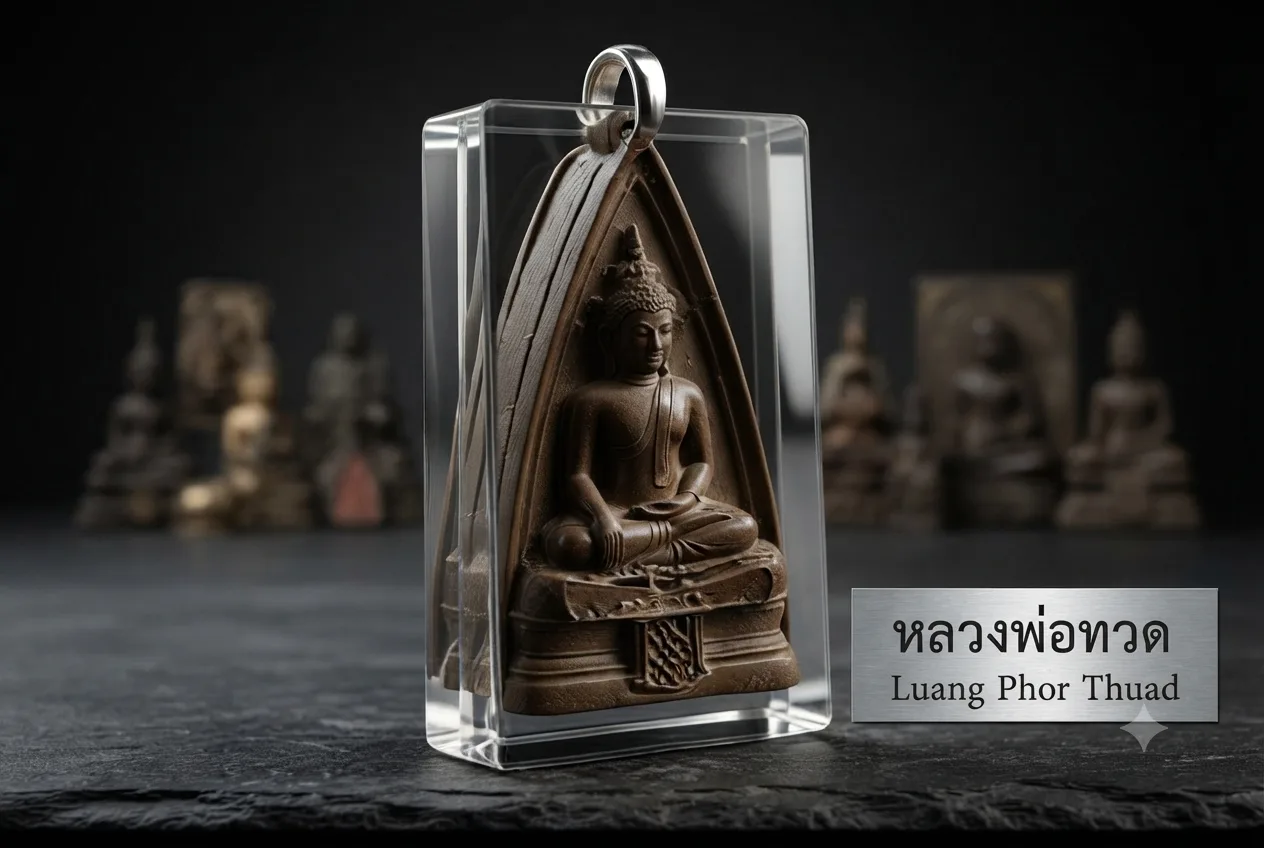
- Luang Phor Thuad Amulet – closely associated with the revered monk Luang Phor Thuad and Wat Chang Hai.
- Phra Khun Paen – traditionally associated with metta maha niyom and harmonious relationships.
- Kuman Thong – a distinctive Thai sacred and folkloric tradition.
Takrut in Thai Buddhist Heritage
Takrut provides a fascinating window into the relationship between Buddhist devotion, sacred writing, meditation traditions, temple culture, and Thai craftsmanship.
Unlike image-based amulets, Takrut often conceals its most important feature: the sacred inscription inside.
This gives Takrut a unique character within Thai amulet collecting.
A small rolled object can preserve a connection to a particular monk, temple, lineage, ritual tradition, and historical period.
For this reason, Takrut should be appreciated not only as an amulet but also as an example of Thailand's rich religious and cultural heritage.
Frequently Asked Questions About Takrut
What is Takrut?
Takrut is a traditional Thai sacred object generally made from a rolled or folded inscription. It may contain Buddhist formulas, yantra, sacred letters, or protective inscriptions.
What does Takrut mean?
Takrut (ตะกรุด) generally refers to the traditional rolled sacred inscription amulet used within Thai spiritual and religious traditions.
What is Takrut made from?
Takrut can be made from materials such as copper, bronze, lead, aluminium, silver, gold, cloth, paper-like materials, and other traditional substances.
What is Takrut believed to do?
Depending on the tradition, Takrut may be associated with protection, safe travel, spiritual strength, goodwill, confidence, good fortune, and other traditional devotional purposes.
Is Takrut Buddhist?
Many Takrut traditions exist within Thai Buddhist temple culture and are associated with Buddhist monks, sacred inscriptions, mantras, yantra, and ritual blessing. However, individual traditions can also reflect broader regional spiritual and cultural influences.
Can Takrut be worn?
Yes. Depending on its form and tradition, Takrut may be worn around the neck, carried in a pouch, attached to clothing, or kept as a personal sacred object.
How do I know if a Takrut is genuine?
Authentication depends on the specific monk, temple, edition, material, construction, inscription, dimensions, aging, and provenance. Rare or expensive examples should be examined by a knowledgeable specialist.
Conclusion
Takrut is one of the most fascinating forms of Thai sacred amulets. Its distinctive rolled form, hidden inscriptions, yantra traditions, materials, and association with revered Buddhist monks make it an important part of Thai religious and cultural heritage.
For devotees, Takrut can represent faith, spiritual reassurance, protection, and the blessings of a respected Buddhist teacher. For collectors, it offers a fascinating opportunity to study sacred writing, traditional craftsmanship, temple history, and the many regional traditions that have shaped Thai amulet culture.
Whether encountered as an old temple piece, a carefully preserved historical example, or a modern devotional amulet, Takrut continues to hold a special place within the world of Thai sacred objects.