Introduction
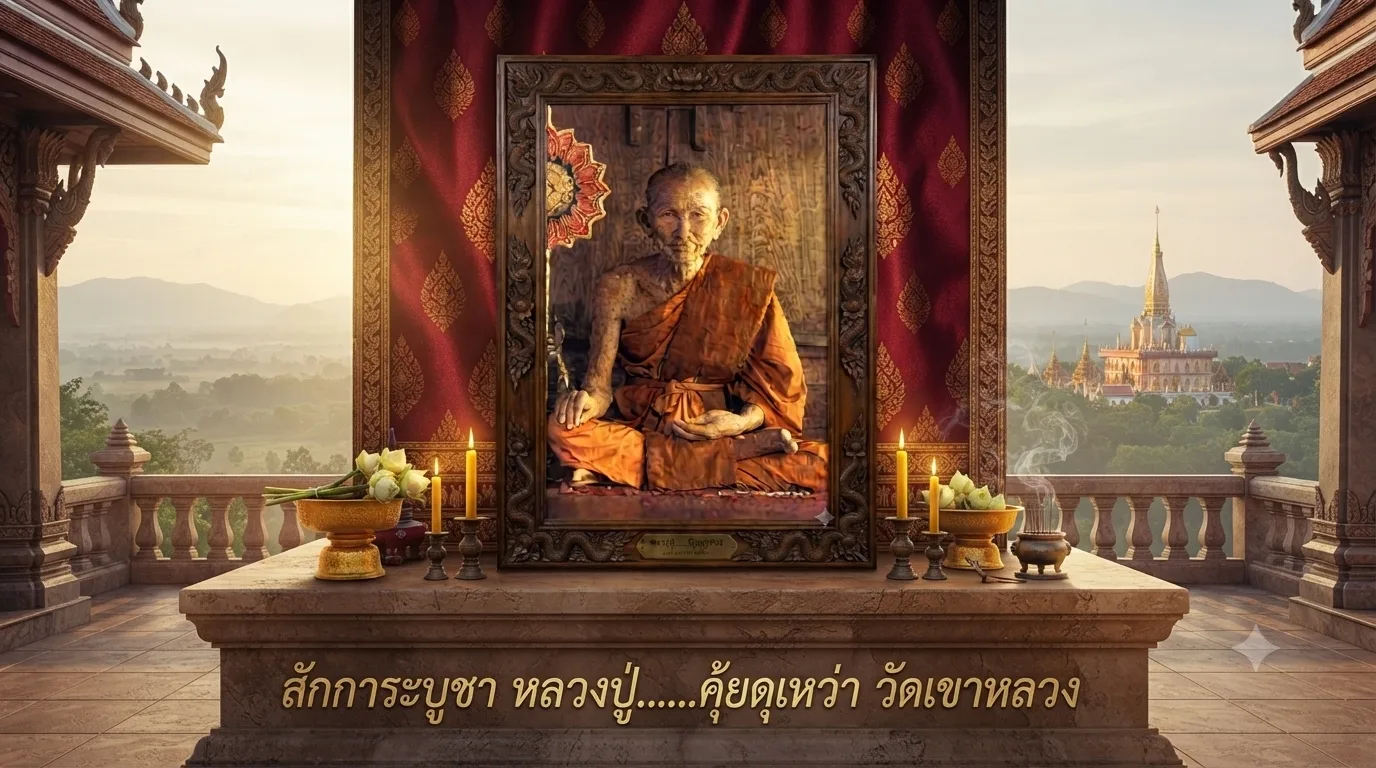
Luang Pu Suk Kasemro (หลวงปู่ศุข เกสโร), commonly known as Luang Pu Suk of Wat Pak Khlong Makham Thao, is regarded as one of the greatest Buddhist monks and spiritual masters in Thai history.
Living during the late 19th and early 20th centuries, Luang Pu Suk became famous for his deep meditation practice, mastery of ancient Buddhist knowledge, sacred inscriptions, and the creation of highly respected amulets.
His reputation extended beyond ordinary devotees, with members of the Thai royal family also showing great respect for his wisdom and spiritual abilities. Today, Luang Pu Suk remains one of the most important figures in Thai amulet history.
Early Life
Luang Pu Suk was born in 1857 (B.E. 2400) in Chai Nat Province, Thailand.
From a young age, he showed strong interest in Buddhism and spiritual learning. He later entered monkhood and devoted his life to studying Buddhist teachings, meditation, and traditional Thai spiritual knowledge.
Through years of disciplined practice, he developed deep understanding of meditation, Buddhist philosophy, and sacred arts that earned him great respect among monks and laypeople.
Abbot of Wat Pak Khlong Makham Thao
Luang Pu Suk became the abbot of Wat Pak Khlong Makham Thao in Chai Nat Province, where he spent many years teaching Buddhism and guiding devotees.
Under his leadership, the temple became famous as a center of:
- Meditation practice.
- Buddhist teachings.
- Sacred knowledge.
- Traditional Thai spiritual arts.
- Creation of sacred amulets.
Many people traveled from different regions of Thailand to seek his blessings and spiritual guidance.
Master of Wicha Akom
Luang Pu Suk was widely respected as a master of Wicha Akom, the traditional Thai knowledge of sacred Buddhist practices, protective inscriptions, chants, and spiritual techniques.
His knowledge included:
- Yantra inscriptions.
- Sacred chanting.
- Meditation techniques.
- Consecration rituals.
- Traditional Buddhist protection methods.
His mastery of these traditions made him one of the most influential monks of his generation.
Luang Pu Suk and Meditation
Although famous for sacred objects, Luang Pu Suk's foundation was always meditation and Buddhist practice.
He emphasized:
- Mindfulness.
- Mental discipline.
- Compassion.
- Moral conduct.
- Understanding the Buddha's teachings.
His spiritual power was believed by devotees to come from years of dedicated meditation and sincere practice rather than external objects alone.
Famous Luang Pu Suk Amulets
Luang Pu Suk amulets are among the most respected and valuable categories in Thai amulet collecting.
His famous sacred objects include:
- Phra Somdej Wat Pak Khlong Makham Thao.
- Rian (coin) amulets.
- Takrut.
- Khun Paen amulets.
- Loop Om (sacred mouth-blown amulets).
- Sacred powder amulets.
- Yantra objects.
These amulets are highly valued because of their connection to one of Thailand's greatest meditation masters and their historical importance.
The Legendary Loop Om Amulet
One of the most famous creations associated with Luang Pu Suk is the Loop Om amulet.
These small sacred objects are traditionally made through special Buddhist blessing ceremonies and are highly sought after by collectors.
Devotees traditionally associate Luang Pu Suk amulets with:
- Protection.
- Safety during travel.
- Strength and confidence.
- Good fortune.
- Spiritual encouragement.
Authentic Luang Pu Suk amulets are extremely rare and require careful authentication.
Connection with Thai Royal Family
Luang Pu Suk was highly respected by members of the Thai royal family, particularly during the reign of King Rama V and King Rama VI.
His wisdom, spiritual knowledge, and reputation as a meditation master earned him recognition beyond his local community.
This royal connection further strengthened his position as one of Thailand's most important monks.
Buddhist Teachings
Luang Pu Suk's teachings focused on developing the mind and following the Buddha's path.
He encouraged devotees to practice:
- Generosity (Dana).
- Moral discipline (Sila).
- Meditation (Bhavana).
- Mindfulness (Sati).
- Wisdom (Paññā).
- Loving-kindness (Metta).
- Compassion (Karuna).
- Humility.
He taught that sacred objects should support spiritual practice but that true protection comes from good actions and a disciplined mind.
Legacy
Luang Pu Suk passed away on 23 December 1923 (B.E. 2466), but his influence remains strong in Thai Buddhism.
His legacy continues through:
- Wat Pak Khlong Makham Thao.
- His sacred amulets.
- Traditional Thai Buddhist knowledge.
- Meditation teachings.
- Generations of devotees and collectors.
He remains one of Thailand's most respected monks and one of the greatest masters in Thai amulet history.
Collecting Luang Pu Suk Amulets
Luang Pu Suk amulets are highly prized because of:
- Historical importance.
- Connection to a legendary monk.
- Rare craftsmanship.
- Spiritual significance.
- Strong collector demand.
- Association with Wat Pak Khlong Makham Thao.
Due to their rarity and value, collectors should seek expert advice and verify authenticity before purchasing.
Conclusion
Luang Pu Suk of Wat Pak Khlong Makham Thao remains one of Thailand's greatest Buddhist masters. His dedication to meditation, sacred knowledge, and compassionate teaching created a lasting legacy that continues to influence Thai Buddhism today.
His sacred amulets are treasured worldwide, but his greatest contribution remains his example of wisdom, discipline, humility, and devotion to the Buddha's teachings.